Animal fats and plant oils - costs and considerations
Healthy cooking fats - mono and poly unsaturated fats - scarcity and health considerations for common animal/plant/seed fats or oils
TODO ITEMS:
- saturated/unsaturated fats
- cholesterol molecule vs health cholesterol
- LDL/HDL lipoproteins
- triglycerides
- solubility
- energy metabolism
- uses of unsaturated fats in the human body beyond energy storage/transfer
- poly-unsaturated fats
- flash-point
- poly-unsaturated fats as redox sinks
- free radicals
- health/nutritional needs
- essential nutrients
- gut microbiome
- PUFA marketing
What is this article about?
Cooking oils and fats are modestly refined animal fats or plant/seed oils that are used in commercial and domestic cooking. You’re probably familiar with two classic examples: extra-virgin olive oil (EVOO) and butter, respectively. But did you know that there are several cost-competitive alternatives that may be safer and/or healthier to use in regular cooking? And if so, what are the key considerations when choosing a plant oil or animal fat for culinary applications?
Whoa, whoa, whoa there, tiger. We need more context for those key questions.
First, there are some reasons to choose animal fats over plant or seed oils, despite their high saturated fat content. To support this, I’lll introduce some basic chemistry concepts to discuss the health impacts of PUFAs. Second, I’ll provide details about fat metabolism, an overview of how cholesterol and the liver facilitate proper, healthy transport of fats/oils through the bloodstream to the rest of the body. Additionally, the issue of solubility of fats in the bloodstream will provide context for why triglycerides and cholesterol lead to plaque build-up on arterial walls, and how both the liver and the diet have disproportionate effects on disease progression.
Next, I’ll introduce unsaturated fats, and discuss topics like solubility and so-called "oxidation" chemistry to frame a discussion about why some poly-unsaturated fats are essential nutrients and can be very heart healthy, while others are just as detrimental to human health as saturated fat. The overwhelming problem with the Western diet is the omega-6/omega-3 poly-unsaturated fat ratio.1 Some poly-unsaturated fats can be extremely heart healthy, while others may be driving the HDL/LDL ratio in the wrong direction.
Lastly, we’ll look at the composition of common cooking fats and oils, with a focus on the distribution of different categories of fatty acids in the cooking oils and animal fats available in our grocery stores. I hope you enjoy this health-focused perspective on a household topic.
Note: I am not a nutritionist or medical professional. My educational background is in biochemistry, and I hope you enjoy this informational/educational article and take questions you may have to a licensed nutritional professional.
What do we already know?
As many are aware, a classic choice in cooking is "butter vs extra-virgin olive oil". Our preferences revolve around choosing a animal fat that cooks well (like butter, ghee, or lard) vs using exclusively plant oils (e.g. EVOO, avocado, canola) for cooking. And, this choice is not simple. It’s realistic to admit that in addition to the multiple competing finanical interests, knowledge of this area is necessarily incomplete. It’s difficult to find longitudinal and impartial studies in nutrition, especially given the variability in people’s diet. In addition to a lack of objective research in this area, there are many legal, regulatory, and practical implications in labeling certain oils/fats "unhealthy".
We do know that in general, diets rich in saturated fats can lead to the development or increased risk of several disease categories including heart disease, stroke, thromboembolisms, and more. The damage from these is often irreversible, expensive to treat, and as such, risk should be mitigated from eating diets low in processed foods, red meats, sweets, and more. Most folks have heard of such rules from our health and food regulators, and medical groups such as the American Heart Association.
So what do we know? Low-fat and especially low saturated-fat diets may play a part in reducing risk of these diseases.
The "good" and "bad" with cholesterol and saturated/unsaturated fats
But... [warning]: skeptic flavor follows...
The plant oil industry has taken some market share away from animal fats to increase revenue, and the category of fats known as "saturated fat" has turned into everyone's favorite scapegoat, due to some real concerns about this category from the American Heart Association. The replacement of animal fats with plant/seed oils isn't necessarily a bad thing..., and it's good for American soybean, it's good for imported and domestic plant oils, and for sustainability...but..
But, there is absolutely a reason to continue to use animal fats (maybe not butter *per-se*) beyond the fact they taste so good. Many health magazines have become unofficial press for the plant/seed oil industries, both domestic and abroad. Doctors in our magazine's columns often tout inconclusive benefits of certain poly-unsaturated fats (often abbreviated as PUFAs). And to add to the confusion, some poly-unsaturated fats (some omega-3 and some omega-6 PUFAs) are essential nutrients for human health.4 Conversely? Some of the hype around omega-3 and omega-6 fats omits that many of these can be synthesized within the human body or its microbiome,4 or otherwise are quite abundant in our diet. So, the hype around omega-3 and omega-6 PUFAs? It depends.
Via ChatGPT and its count of the number of documented poly-unsaturated fatty acids, there are 7 common poly-unsaturated fats, 7 uncommon, 15-25 available PUFAs, and close to 50 total PUFAs.
Can you imagine if you had to memorize which of the 50 you need vs the ones you don't? Of course not! Are all fats equal? Of course not! Are all unsaturated fats equal? You do the math. As before, some PUFAs can even be essential micronutrients (we cannot synthesize them and they must be obtained through diet).
There's a devil in the details here. Not all plant oils are healthy. Not all fats are healthy. And the manufacturers, regulators, and health professional certainly have their work cut out for them, and certain categories (PUFAs, omega-6 which are PUFAs, etc.) contain both healthy and unhealthy fats. So, labeling an entire category of fats (say, unsaturated fats) as healthy, just because some fats from a category *are* healthy and/or essential, cheapens the knowledge about what we do know about fats and their effect on health. It's more than just inaccurate, it's misleading. Finally, there is the issue of oxidative stability of saturated fat, and conversely, the oxidative sensitivitity of unsaturated fats.
So... where were we again? Oh yeah: "what do we know?"
In summary:
It's difficult to say definitively that one category of fat is all bad or all good. More importantly, it's important to understand how your diet is different than most peoples' diets, and how your levels of LDL/HDL or triglycerides and blood sugars are bad/good (or have unhealthy trends). Without throwing animal fats completely under the bus because they have some saturated fat, it's important to know when the rule that cooking meats with plant oils exclusively (canola oil, safflower oil, corn oil, peanut oil, olive oil, etc.) turns out to play a role in aging and carcinogenesis. Hopefully by the end you'll have more questions to bring to your physicians and nutritionists about how what you eat effects your health.
Aren’t plant oils better?
Well… yes and no. They have exactly one advantage, generally speaking; plant oils are lower in saturated fat. Yes, that saturated fat, the type that clogs things inside your body.
Thank you for reading. That’s it, that’s the whole story… roll credits…
Strictly speaking, it’s a really good rule of thumb to reduce saturated fats in our diet. But, cooking with animal fats can turn out to be healthy for one incredibly technical other reason: avoiding oxidative byproducts, sometimes known as radical oxygen species or free radicals.
The AHA rule of thumb
So first, let me restate the rule of thumb the American Heart Association uses; saturated fats are mostly bad. Diets rich in saturated fat can lead to an increased risk of acute episodes that lead to heart disease as well as the more progressive clogging of certain blood-vessels, the condition referred to as atherosclerosis.
But cooking exclusively with plant/seed oils can have negative health effects too. Cooking exclusively with plant/seed oils can introduce “free radicals” or “radical oxidative species (ROS)”. Don’t believe me? Let’s dive into the chemistry later.
Many Americans can benefit from diets with low saturated fat content. Most doctors and nutritionists recommend adjustments to diet by doing the following:
- intermittent fasting
- takeout/dine out < 7 month
- caloric restriction, favoring calories earlier in the day and not at night
- substitution of red meat with poultry, fish, beans, or vegetables
- preference of fresh herbs and ground spices over sauces
- use of fresh or canned vegetables to increase fiber and slow nutrient absorption
This is fairly standard par for the course for anyone concerened with watching their weight, their blood sugar, and/or their heart health. So, naturally one wonders, what are the nutritionists and chefs doing so well when it comes to food preparation, and what are more and more Americans doing wrong?
Article goal
In this article I present a nuanced story concerning the 3 major categories of fats:
- Saturated fats
- Poly-unsaturated fats
- Mono-unsaturated fats
And additionally, the 2 categories of health-related unsaturated fats:
- omega-6 poly-unsaturated fatty acids
- omega-3 poly-unsaturated fatty acids
Additionally, the core concept of oxidative stress is introduced with respect to high-temperature cooking with plant/seed oils and their elevated proportions of unsaturated fats.
Then, the concept of the solubility of triglycerides is presented to frame the importance of LDL=>HDL cholesterol maturation and the role of fat solubility on cardiovascular disease.
And finally, the concept of the omega-6/omega-3 ratio is presented in the lens of the modern Western diet (20:1) vs the paleolithic diet (4:1) and why this effects our heart and brain health.
In this short blog entry, I would like the reader to leave with at least 7 considerations in mind regarding cooking fats/oils and their role in human health and metabolism.
1. Cooking fats are healthy in small amounts
Animal fats and plant/seed oils can be healthy to cook with in small amounts, especially when incorporating fresh low-fat meats, poultry, and lots of vegetables.
Key concepts:
- saturated/unsaturated fat content
- poly-unsaturated fats (PUFA)
- health cholesterol (LDL/HDL) vs molecular cholesterol
- LDL/HDL lipoprotein cholesterol
- PUFA marketing
2. PUFAs may contribute to free-radical damage
Some plant/seed oils are often marketed as very healthy, but some have oxidation byproducts that you consume in steady amounts over time, putting pressure on your immune system, antioxidants, and other damage repair systems throughout your cells and body.
Key concepts:
- flash-point
- oxidation/reduction during cooking
- saturated/unsaturated fat content
- poly-unsaturated fats (PUFA)
- poly-unsaturated fats and redox chemistry
- free radicals
- PUFA marketing
3. Unsaturated fats play roles beyond metabolism
Some omega fatty-acids are thought to be important in roles beyond brain and heart health (which are oversold in non-primary literature), including immune support, endo/exo-cytosis (uptake or clearance by detox organs such as kidney/liver and intestines), cancer signaling, brain health, mood disorders, mental health, and more. Although there aren’t any good rules of thumb when optimizing diets for fat health in this way, consider the presence/absence of certain categories of fatty lipid chains that neither the human body nor its microbiota may synthesize.
Key concepts:
- saturated/unsaturated fat content
- oxidation-reduction during cooking
- poly-unsaturated fats (PUFA)
- PUFA marketing
- fats, diet, and cardiology
- essential nutrients
- disputes in primary literature
4. Oils add fat to our protein source
Cooking fats are not the only contributor of lipids in our diet. A holistic view of healthy fats must consider the lipids/fats from the protein source and whether or not the human body or oral/gut microbiota can synthesize the desired fatty lipid chain through the diet.
Key concepts:
- saturated/unsaturated fat content
- poly-unsaturated fats (PUFA)
- health/nutritional needs
- essential nutrients
5. Some fats are essential
Recall1 that certain omega fatty acids are essential nutrients, meaning they must be obtained through our diet. Recall also that certain other lipids, such as monounsaturated fats, or certain polyunsaturated fats can be synthesized. Some of these (particularly certain poly-unsaturated fatty acids or PUFAs) may represent unnecessary oxidation targets during cooking, and can introduce free-radicals to the human body over time, which may strain organs and even cause cancer.
Key concepts:
- saturated/unsaturated fat content
- poly-unsaturated fats (PUFA)
- gut microbiome
- essential nutrients
- uses of unsaturated fats beyond energy
6. Molecular cholesterol vs LDL/HDL "cholesterol"
I’d also like the reader to have a better understanding the difference between molecular cholesterol (a small molecule) that is part of the more common health term “cholesterol”, which often refers to a ratio of low-density lipoprotein (LDL ‘cholesterol’) to high-density lipoprotein (HDL ‘cholesterol’) and the way humans transport and utilize fats (which do not dissolve well in blood), and how the VLDL/LDL/HDL components of fats dissolved in blood differ from “serum triglycerides”, which are free-floating and poorly soluble fats. These components should improve the readers understanding of the way fats/lipids play a role in atherosclerosis/heart disease, stroke, lipid-sensitive pancreatitis, MASH, and more.
Key concepts:
- saturated/unsaturated fat content
- energy metabolism
- health cholesterol (LDL/HDL) vs molecular cholesterol
- LDL/HDL lipoprotein cholesterol
- triglycerides
- solubility
7. Key health ratios: HDL/LDL and omega-6/omega-3 PUFA ratios
At the end, the reader will see that the unhealthy factors of fats, aren’t just the effect of extra calories on the waistline. I'll present two ratios that effect human health. The first are cholesterol ratios: the HDL/total cholesterol ratio (what percentage of all lipoproteins are considered "healthy"), and the HDL/LDL ratio. Typically, you want more HDL and less LDL, as well as more HDL as a proportion of total "cholesterol". But why? That's what this article aims to provide. I want the reader to understand how the distribution of fats in the blood, between solid, mature, and healthy HDL cholesterol vs the larger and stickier LDL cholesterol, governs the risk and rate of developing atherosclerosis and thromboembolism, among other disorders. Second, the ratio of omega-6 to omega-3 will be presented in limited detail to encourage the reader to dive further, starting with the chapter of Lehninger et al.4 on lipid metabolism. Though considered an advanced reading, this chapter outlines the prevailing theory on this ratio, specifically that modern and specifically Western diets are excessive in omega-6 poly-unsaturated fats, and contain smaller amounts of omega-3 fats, some of which are considered essential nutrients for brain and heart health.
Key concepts:
- LDL/HDL lipoprotein cholesterol
- solubility
- poly-unsaturated fats (PUFA)
- omega-6 PUFAs
- omega-3 PUFAs
- essential nutrients
- gut microbiome
- uses of unsaturated fats beyond energy
Article summary
This article develops several concepts for the reader to gain a basic understanding of fat metabolism and fat transport in water/blood. The core concepts of free-radical mediated organ stress, driven by high-temperature cooking with plant/seed oils instead of thermally and oxidatively stable animal fats (butter, lard, tallow) is introduced to suggest to the reader that they consider choosing animal fats over plant or seed oils for high-temperature or long-duration cooking or frying to reduce the accumulation of free-radicals through the diet.
Additionally, the reader should develop some basic intuition about fat transport through the lens of how the liver and the human body solve a solubility problem, in regards to transporting fats safely to tissues over long distances, by packaging them in lipoprotein granules in the liver. After the intestines absorb dietary fats and triglycerides into the blood, they are first pulled into the liver, where they are packaged into various large and small granules or droplets. Then, the liver releases the safer (than free triglycerides) and sometimes "immature" LDL lipoprotein particles into the blood. These larger droplets, the so-called low-density (and larger) LDL lipoprotein "cholesterol" eventually mature into HDL, which are smaller and less "sticky", and less-likely to form plaques, clots, and clog our blood-vessels. As they are compacted and their radius decreases, they require less of a molecular spacer called "cholesterol", which is then released and taken up by the liver. A more developed understanding of LDL=>HDL maturation and the molecular/dietary transport cycles of fat from intestines to liver to LDL to HDL and to the blood would typically involve studying biochemistry, fat metabolism, and human physiology of the intestines, liver, and blood at the university level.
In a similar light, the concept of solubility is mentioned throughout this article in an effort to present the pathophysiology of diseases where blood vessels are clogged by either the dangerous "free" triglyceride molecule, or when they are combined into less dangerous granules of fat, called low-density lipoproteins (LDL), vs the fairly safe but difficult-to-produce HDL "cholesterol". And, why calling such lipoprotein particles "cholesterol" doesn't make sense. Briefly, the role of the cholesterol molecule as a molecular spacer in the maturation of fat granules is mentioned to describe a process by which "unhealthy" fat droplets become small, dense, and less-likely to stick to the walls of arteries and capillaries and clog blood vessels or create clots that can dislodge and cause damage.
Finally, types of unsaturated fats such as mono-unsaturated fats, poly-unsaturated fats, and omega-6 and omega-3 fatty acids are presented to encourage the reader to challenge conventional wisdom surrounding certain categories of unsaturated fats. Are they really more healthy than saturated fat itself? Is substituting animal fats like butter or lard with plant or seed oils sufficient to reduce the risk of atherosclerosis, heart disease, and thromboembolism? In what cases are saturated fats safer to cook with than plant oils? What types of plant oils are the safest? Rather than give the answer here, I encourage you to read the article in its entirety.
Let's begin
Fats and energy metabolism
Let’s discuss some biochem to understand the role of unsaturated and saturated fats in "healthy" cooking. I start with some basics of why fats are different from sugars. More importantly, why are these molecules different, how are they similar, and why does so much of nutritional science revolve around fats and so-called carbohydrates, the category which sugar belongs.
Introduction to energy metabolism
When animals and other organisms consume energy rich molecules, such as sugar, they are consumed for two reasons. The first of which is referred to loosely as “energy needs”. When animals eat and breathe, these actions combine throughout the body to “oxidize” sugar, or to break it down into almost nothing. When sugar is consumed for energy, it combines with oxygen to form water and carbon-dioxide. These inorganic byproducts result when the bonds of sugar are “oxidized”, or broken down, for the energy stored within the sugar molecule (glucose/dextrose and fructose, commonly).
The other primary need for sugar, is to provide building blocks for other molecules that living things require. Conveniently, the pathway for the complete breakdown of sugar into energy alone, and the pathway for breaking sugar down, just enough, for the small building blocks happen to overlap. For the avid reader, I’d refer them to a Wikipedia article on so-called “Central carbon metabolism”.
So, for the purposes of breaking down foods into small building blocks or for the complete oxidation of all energy-containing bonds of those foods, we have a branch of metabolism referred to as “catabolism”. The opposite of breaking foods down for food or energy is called “anabolism” (as in “anabolic steroid”) and is the branch of metabolism responsible for building larger molecules from small building blocks. In a certain way, catabolism is essential for anabolism, because it provides those small building blocks for the larger molecules built by anabolism. Thus, these two types of metabolism are complementary.
Fat’s structure is such that the body does not “waste”
Much as our economy is based on “waste not, want not” principles, the cellular/biological economy of metabolism is about resource management, efficiency, and salvage. For the sake of brevity, sugars that our cells do not want to burn completely are digested just enough, into small building blocks (pyruvate and then acetyl-CoA; see glycolysis). Then, these are chained together to form a very stubborn molecule: fat. Another term for fat is “lipid” and you will see this word used interchangeably for the rest of this article.
And indeed, fat is stubborn. You see, the energy in sugar is stored in chemical bonds. Some parts of a sugar ring are very energy rich. The other parts of sugar are partially burnt off while the energy-rich parts are retained, and then chained together over and over, to form a very important molecule for living things: fat.
Essentially, sugar is enjoyed when things are good. Sugar is absolutely an essential part of a living organism’s diet. And, when things are going so well that energy can be spared, parts of sugar can be “saved” as a fat molecule. This fat can form cellular membranes, can be digested for energy, and can be used to build other oily molecules and compartments. But for now? Let’s focus on the fact that fat is an energy-rich storage molecule.
Did you know that the human brain relies on sugar, almost exclusively?
Now to us, fat usually means the part of our belly that gets in the way of our pants fitting properly, or the component of the diet that plays a role in risk for heart disease. But we should think of it as just a stubbornly efficient battery. The energy is stored so well, it’s like having a battery charged to 120%, and after a day of rigorous use, our battery has barely dipped below 74%.
That’s fat for you; it’s so rich and delicious, you’ll never get rid of it, willingly!
When you think about it, historically, humans have always relied on fat for things beyond food because of its energy properties. We used whale blubber to make lamp oil. Early prototypes (1893-1897) of German engineer Rudolf Diesel’s Rational Heat Motor (the diesel engine), developed with the support of German industrialists and engineers at Krupp Inc. and Heinrich von Buz, director of Maschinenfabrik Augsburg in Augsburg, were tested with a peanut oil based biofuel, and successfully ran on trans-esterified peanut oil during the 1900 Paris Exposition "World’s Fair".
The roots of biodiesel as a fuel source can be traced back to when J. Patrick and E. Duffy first conducted transesterification of vegetable oil in 1853, predating Rudolf Diesel’s development of the diesel engine. Diesel’s engine, initially designed for mineral oil, successfully ran on peanut oil at the 1900 Paris Exposition. This landmark event highlighted the potential of vegetable oils as an alternative fuel source.
Fat is a very dense storage vehicle for energy in the form of chemical bonds. We acquire fat through our diets and from the repurposing of the most energy-dense segments of sugar.
What does “saturated” and “unsaturated” mean?
Well, strictly speaking, a saturated fat is one that has no more room to store energy. It’s a chain that was assembled so well, and energy was conserved so efficiently, that there are no more bonds to “reduce” with negatively charged electrons, storing said energy. As a result, saturated fats are somewhat more “energy rich” than their unsaturated fat partners, but that’s not why saturated fat is unhealthy. As we’ll see shortly, it’s because of differing solubilities of fats in water; the same principle that makes oil and water not mix, is what makes saturated fat stick to the walls of arteries with a vengeance.
So, it’s not really that saturated fat has more "calories" than unsaturated fat, that makes it unhealthy for us. Pound for pound, gram for gram, the difference in calories between saturated and unsaturated fat is negligible. It's the "stickiness".
Well, what's the more nuanced view of unsaturated fats? It starts with how they’re digested. Some animals have enzymes that break down a fat from the middle of the fatty-acid chain. But most of the time? It happens from one end of the molecule.
Which end? Well… that's a little bit of a long story too… and I'd rather focus on dispelling the ideas about why saturated fats are "worse&qout; than unsaturated fatty acids, because that's marketing kung-fu, it's lobbying kung-fu, and it's a misnomer/mislabeling in our vernacular about the "saturation" of energy, even though the intuition we get from the name is partially correct, there's a lot of preconceived notions we have about calling something "saturated" as equivalent to saying "too much energy". Though that's technically correct in chemistry, that's not why saturated fat is worse for us… than less fat. It's the stickiness.
Okay, so the other thing you might remember about where "saturated" fats come from in the diet, is from animals. Absolutely correct, well… Anyways, animal fats are often rich in saturated fats. And that's cool. But plant and seed oils can be just as rich, if not more so, in those same saturated fatty acids. So, the first incorrect idea is that saturated-fat rich diets tend to imply a diet high in butter or red meat. We can thank the American Heart Association for the healthy idea, but you can achieve the same thing from eating too much margarine in an unbalanced vegan diet. So what gives?
Well, good things take time, and we're gonna take as many shortcuts as we can afford to get to the more important suggestions:
- a) saturated fats cook differently
- b) poly-unsaturated fats (PUFAs) spoil differently
- c) less fat is better
- d) sometimes more saturated fat means less PUFAs
PUFAs have health implications, not health certainties
There is a lot of conflicting information as well as genuinely good questions about what types of fats we should have just enough of, and what types we can have too much of in our diet. The AHA believes it is always good to minimize saturated fat. And because such a huge organization has decided this rule for us, it’s reasonable to agree with. That being said, one thing the American Heart Association doesnt talk a lot about, or nearly as much as the American Cancer Society, is the concept of human beings consuming large amounts of free-radicals from cooking.
That’s where poly-unsaturated fats come in; and a bit of organic chemistry.
What are unsaturated fats?
Unsaturated vs saturated fats
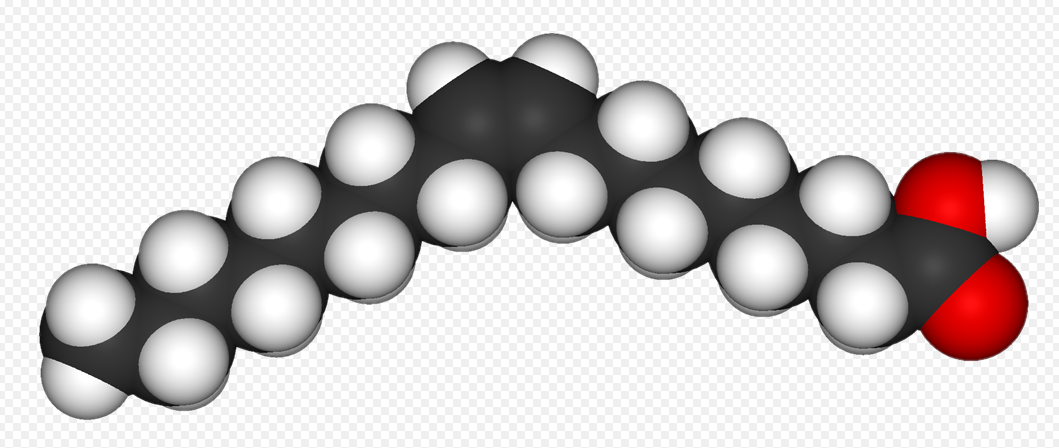
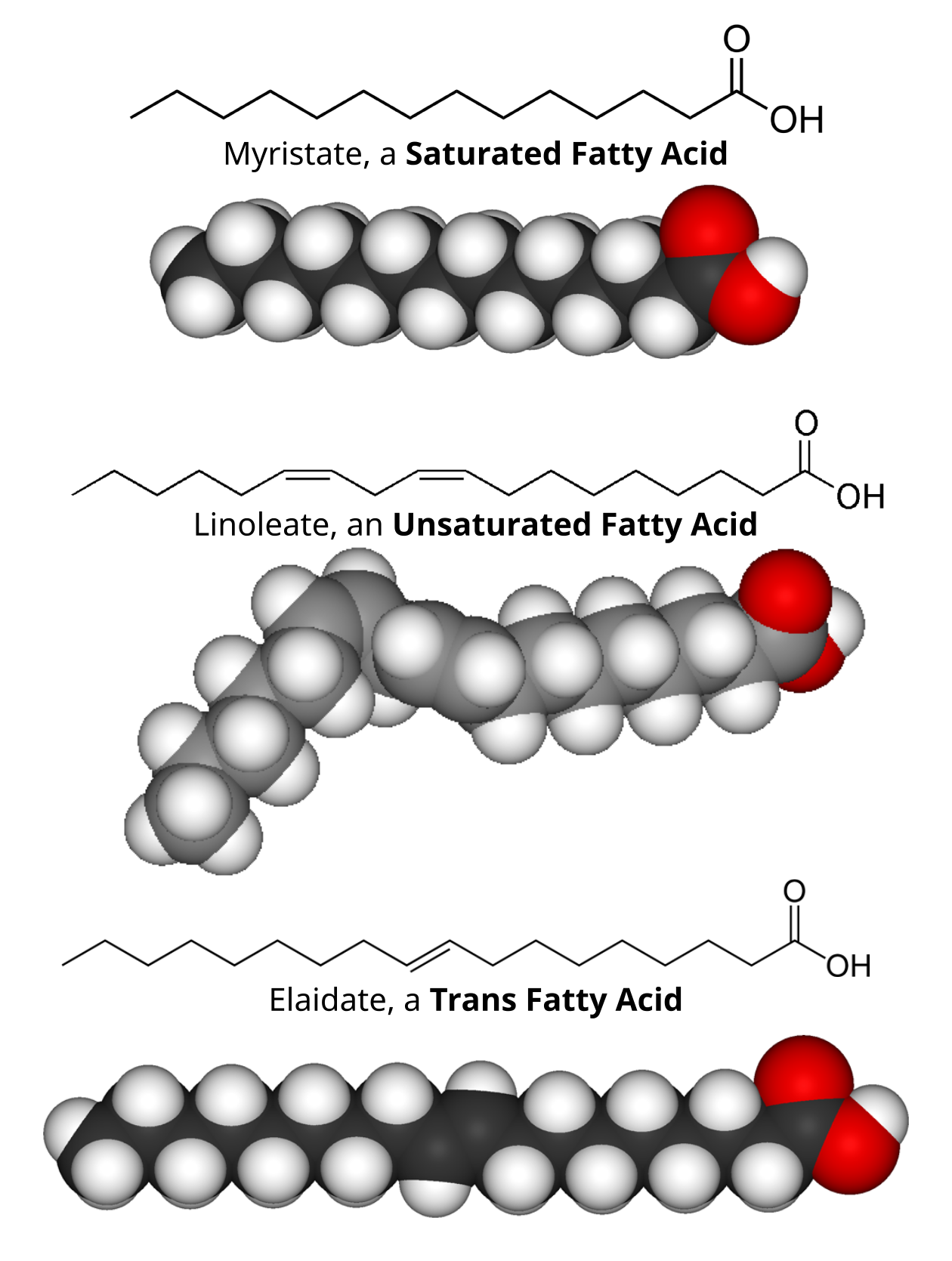
Fig. 1.a) A mono-unsaturated fatty acid chain, with a single unsaturated bond and characteristic "kink" in the fatty acid backbone.
Fig. 1.b) A comparison of 3 different types of fatty acids. On the top, is a fully "saturated" fatty acid, known as myristate. In the middle, a poly-unsaturated fatty acid (PUFA) consisting of exactly 2 unsaturated bonds. Finally, another health-risk related fatty acid type, known as the trans fatty acid.
Un-saturated fatty acids have two types:
- mono-unsaturated fats
- poly-unsaturated fats (PUFA)
The former have exactly one alkene bond along the fat molecule, and are thus considered “unsaturated” with electrons. An example is shown above in figure 1.a. The second have two or more alkene (double) bonds along the backbone of the fatty acid. Often, doctors, nutritionists, and even food-industry professionals will discuss the three types of fatty acids in Fig 1.b. So let’s dive in to some particulars about the first two types, as they are particularly common in the human diet.
Health questions about fatty acids
Saturated fatty acids
First we have the often beguiled saturated fats. These are very oily and may contribute to the development of progressive heart disease and other disorders, such as atherosclerotic plaques. They are often described as equivalent to a related type of fatty molecule: triglycerides (Fig. 4.a). Though not the same, the abundance of both in the diet and subsequently the blood may indicate that an individual is at risk for the development of heart disease. Saturated fat and triglycerides are not the same molecule; we’ll come back to that later. The key point to remember here is that saturated fats and triglycerides have low solubility in water/blood, and tend to “stick” to the walls of blood vessels. We’ll come back to solubility later.
Mono-unsaturated fatty acids
Not much is specifically discussed in common media about mono-unsaturated fats. However, the characteristic “kink” or bend in the fatty acid skeleton plays a structural role in why unsaturated fats are different from saturated fats to the human body, even with just a difference of a few electrons, chemically speaking. Fascinating!
Calling fats “saturated” and “unsaturated”, and referring to the amount of energy stored in the fat’s backbone, is a bit misleading. The most important difference between them is instead structural, not energetic.
The human body doesn’t care so much how “saturated” a fat is with stored energy; that’s not why saturated fat is unhealthy. Instead, it has to do with a structural difference that influences a) the oxidation tendency and b) the way the fat modulates the “stickiness” and solvation properties in different more complex compounds like triglycerides.
Poly-unsaturated fatty acids
Here is where there is some misinformation and marketing at play in TV, media, product labeling, and literature, amongst the fairly accurate rule of thumb from the American Heart Association on saturated fats. Again, their rule of thumb is very good advice generally about minimizing the amount of saturated fat consumed in the diet.
However, the American Heart Association’s page on saturated fats is really anemic. The take-home from their page excludes an in-depth discussion of what fats are, what organic cholesterol is vs “good/bad” cholesterol, in the health sense of the term, and finally, why triglycerides (poorly soluble with 3 fatty chains) and circulating free fat are completely different from the way the liver manages to generate and circulate fats through the body inside of HDL/LDL particles (the good/bad cholesterol).
To be honest? The issues with the Heart.org page don’t end there. There is the issue of oxidation during cooking on the development of general organ damage, including cancer. There is no discussion on how cooking fats are one component of a low-fat diet, or why high-fat diets rich in fish-oils seem to be an exception to the “low-fat” rule of thumb.
And worst of all (not specific to heart.org), there is the excessive marketing around very loose ideas about two of the sub-types of poly-unsaturated fatty acids: omega-6 and omega-3 fatty acids. Specific types of fat from within these groups and other sub-types happen to be essential nutrients; they can’t be synthesized by the human body and therefore must be consumed via the diet.
One of these is eicosapentaenoic acid (EPA) from within the omega-3 fatty acid category. This molecule is often lauded by cardiologists and nutritionists, and is an essential (cannot be synthesized) fatty acid. However, a keen reader will note that doesn’t mean that all omega-3 fatty acids are essential. And, though the omega-6 fatty acids are more plentiful in our diet, it doesn’t mean that there aren’t essential omega-6 fatty acids.
So which ones do I need?
That turns out to be a very hard question to answer plainly. The cleanest answer, to the extent of my knowledge on this subject, is that you should vary the foods in your diet, and fast or exercise regularly, to achieve a balance between the rate at which your body consumes the calories vs the amount and types of food consumed.
Before we take a deeper look at the issue of oxidation and the prevalence of unsaturated fatty oils in just cooking fats/oils, let’s take a brief look at why removing some or all animal fats from your diet might not be the best choice for your health.
3 reasons why cutting out animal fats might not be healthy:
- Animal fats are lower in unsaturated fats. Saturated fats are less likely to generate free-radicals and reactive oxygen species (ROS) during cooking, due to some basic redox chemistry that can be left to the reader. Cooking at high temperatures without animal fats like butter, or with plant/seed oils that have more unsaturated fats, and/or cooking for longer periods of time, may result in more oxidation byproducts in your food. These byproducts can include so-called “free-radicals” that stress or damage organs and prolonged exposure to these results in organ damage and cancer. Animal fats, in contrast, have lower percentages of unsaturated fats and, as a consequence, are more stable against oxidation at high cooking temperatures. Cooking with animal fats may result in less free-radicals consumed in the diet.
- Some plant/seed oils can be more expensive, some less so. Some have even more saturated fats than butter or tallow while some have lower saturated fat levels. Plant/seed oils aren’t necessarily more or less healthy than butter, and sometimes they can just be more expensive.
- Some plant/seed oils have fatty acids that can be synthesized by the body already. One such controversial fat is called “palmitic acid” or “palmitate”. Another is “linoleate”. Many fats are still being investigated by doctors, food scientists, nutritionists, and oncologists about their role in human health. It isn’t accurate, yet, to call plant/seed oils “healthy” because they’re not “animal” fats.
- Some unsaturated fats, specifically many among the omega-6 category (to my knowledge), might as well be called saturated fats. They are essentially equivalent to saturated fat in energy and they are probably just as sticky.
Here we'll shift from the topic of diet to the topic of heart health for a moment to explore some of the ways animals and humans transport fat/oil through the blood, even though oil and water don't mix at room temperature. To do this, fats are often shipped from the liver through the blood with particles referred to as lipoproteins (LDL/HDL) to our tissues. Let's start by making the distinction between molecular cholesterol and "health" cholesterol.
What is cholesterol?
Cholesterol is everywhere! It’s in every newspaper’s health column, every TV news segment’s morning show, every academic article on heart health… everywhere! So what is cholesterol?
Well… there’s two kinds. And it’s not “bad” and “good” cholesterol. There is molecular cholesterol (shown in Figure 2.a) and there’s “health” cholesterol (what your doctor and cardiologist will say cholesterol is). Here’s the details on the secondary type, first.
Health cholesterol (LDL/HDL)
In medical/health vernacular, the term “cholesterol” is often used in place of the term lipoprotein for simplification. Cardiologists will often refer to two kinds of cholesterol: “good” cholesterol (HDL lipoprotein ‘cholesterol’) and “bad” cholesterol (LDL lipoprotein ‘cholesterol’).
Wait, so they’re using the wrong term?
Yes, kind of.
Cardiologists are actually referring to a type of diagnostic indicator test they use, that roughly measures the amounts of different lipids/fats found in the blood.
So when they run these tests, sometimes called a “lipid panel”, they are trying to figure out how much of the fat in your blood is in high-density lipoproteins (HDL) vs low-density lipoproteins (LDL). People that have diets with high risk of heart disease tend to have different levels of LDL/HDL particles than, say, endurance athletes might have. People with excellent cardiovascular health tend to have higher/many HDL particle levels and lower/fewer LDL particles in their blood.
Here it’s important to remember to trust the advice of your physician. The trend of the HDL/LDL levels over time is often as important as the absolute value of these two “cholesterols”. And the lipid panel is one tool of many that cardiologists use to assess your heart health and the risk of developing atherosclerotic plaques, among numerous other things cardiologists monitor for.
So, I’ve described an issue in medical jargon about the term cholesterol. What cardiologists actually want to measure when they talk about your cholesterol, is how healthy your blood seems when they measure how much of the fat in your blood is in safer “good” cholesterol (HDL lipoproteins) particles vs the amount in riskier “bad” cholesterol (LDL lipoproteins).
And, as we see below, cholesterol isn’t a lipoprotein at all! It’s a molecule that is a part of lipoproteins, but this is kind of a complication with the jargon here. The cardiologists aren’t “wrong” per-se, and many heart-health indicators and medications do care about how much cholesterol you’re eating vs what’s in your blood, how much fat there is, etc.
So in short, health cholesterol is a term doctors use to refer to a balance of fat between high-density and low-density particles and may be less-likely or more-likely to form atherosclerotic plaques. Cholesterol the molecule, is a component of these particles/globules and it modulates the “stickiness” of those particles. That’s why they often talk about “good” or “bad” levels, when referring to cholesterol, to simplify things for you.
Lipid panel and LDL/HDL cholesterol
Cholesterol/lipid panel
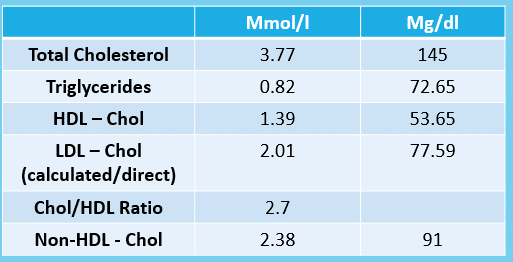
A common test that your physician may run once a year is called a “lipid panel”. It’s a panel in the sense that there are many columns of numbers, levels of different molecules or particle counts, that they track over time. The lipid panel, is a test where they may measure/count your LDL/HDL levels, triglycerides, and other important fats in your blood.
But in our context, the important part to remember here is that lipid panels allow doctors to measure how “healthy” we are, by assessing the amounts of “good” cholesterol (high-density lipoproteins - HDL cholesterol) vs “bad” cholesterol (low-density lipoproteins - LDL cholesterol). For the sake of argument here, I’m referring to “health cholesterol” jargon and not referring to molecular cholesterol.
When the doctors run a lipid panel, they are typically interested in seeing how much of all fat in the blood is distributed between three major categories of fat:
- the “free” fats or triglycerides (usually very low concentrations)
- the “good” HDL cholesterol lipo-protein particles
- the “bad” LDL cholesterol
And the ratio of HDL to total cholesterol, or something similar to judge how much of all fat is in particles that are low/high in risk, etc.
But wait, how do fats dissolve in the blood in the first place if oil and water don’t mix?
We’ll get to that shortly. In fact, I’m gonna bury the lead on that (triglycerides) and return to our health terminology.
What are low-density (LDL) and high-density (HDL) cholesterols?
Molecular vs “health” cholesterol
Before we get to a better distinction between LDL/HDL cholesterol, triglycerides, and solubility issues let’s first clarify between the cholesterol molecule (which is found in fatty membranes among its other uses), and HDL/LDL “cholesterol” (which is a misnomer for the effect molecular cholesterol has on modulating the “stickiness” of HDL/LDL lipid-protein complexes on forming atherosclerotic plaques in cardiology).

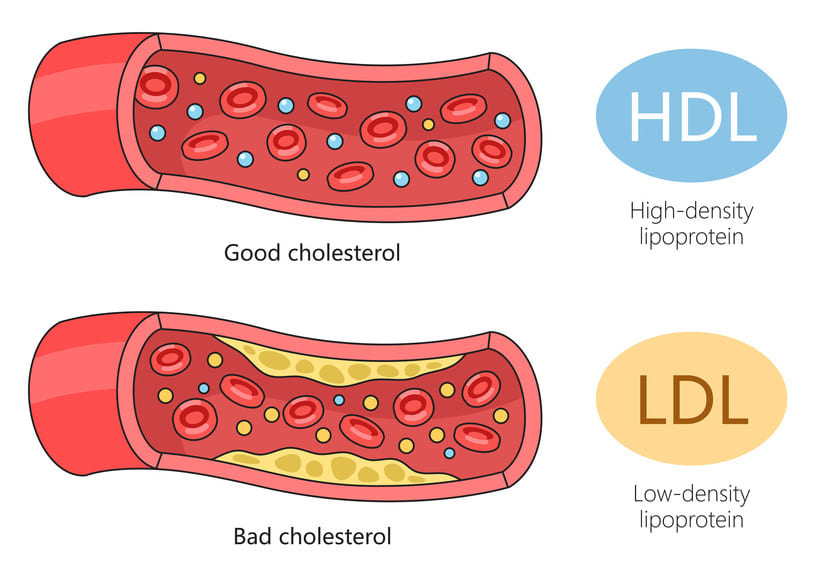
Fig 2.a) Molecular cholesterol is a structural component of membranes, a biosignaling modulator, and a precursor to some hormones and steroids. It dissolves (better) in fatty physiological layers such as cell membranes, transport vesicles, and in lipid-protein (lipoproteins) aggregates such as LDL/HDL.
Fig 2.b) LDL lipoproteins(often referred to as the "bad" cholesterol) sometimes deposit on arterial walls, leading to the accumulation of fat-protein (lipid-protein or lipoprotein) aggregates called "plaques". HDL/LDL are often referred to as "good" and "bad" cholesterol, respectively. While both particle types contain cholesterol, neither are actually cholesterol molecules.
At first glance, the nomenclature mix-up can seem confusing. Lipids (fats/oils) have been the topic of this article, and they are considered a major category of macromolecules in biochemistry adjacent fields such as medicine and nutrition (the other two macromolecule categories are proteins and carbohydrates).
As hinted earlier, if you recall from your high-school chemistry class, oil and water do not mix readily. When mixed, droplets of oil are formed along the surface and sides of a glass; this is quite similar to what happens in blood. These droplets of oil do not mix or “dissolve” in water, and instead have a tendency to cling to nearby surfaces like the walls of a blood vessel.
Oil is hydro-phobic (meaning water-fearing) and many biological molecules are partially (amphipathic) or fully hydro-phobic, instead of hydro-phillic (meaning water-loving), and instead prefer to remain in areas of the body where they don’t have to interact with water.
How does biology solve the problem of hydro-phobic, amphi-pathic, and hydro-phillic solubility in the aim of transporting fats/oils throughout the blood/body?
To solve this issue, let’s ask again what the human body does with extra calories absorbed from the diet.
HDL/LDL cholesterol and fat transport
What happens when someone eats too much sugar or fat?
When a mammal or person consumes too much sugar from its diet, the sugar first goes to the liver, where it is broken into acetyl-CoA, then polymerized into acyl-CoA, grouped together with a glycerol to turn into a triglyceride, and then is finally released into the blood either as free triglycerides (bad) or within LDL/HDL lipoprotein particles (good).
Because the “free” fats or triglycerides don’t dissolve well in blood, the circulatory system would not be able to circulate the energy in fats quickly enough for animals and humans to sustain periods of prolonged activity, such as hunting, foraging, farming, etc. For that purpose, the circulatory system of living things has required a work-around, hence the need for lipid-protein aggregates that have hydro-phillic outsides to interact with the water, and hydro-phobic interiors that store fats, shielded from the water in blood.
This work-around is exactly why the dissolved fats in the lipid panel are described in terms of HDL/LDL lipo-proteins and their cholesterol “spacers”, rather than in terms of the near-zero amounts of triglycerides. The lipo-proteins act as an escort for the fats through the blood, to ensure that enough energy can be delivered to the tissues. And the cholesterol in the lipo-proteins acts as a “spacer”, that creates openings for enzymes and other molecules to permeate the particle and access the fats in the interior.
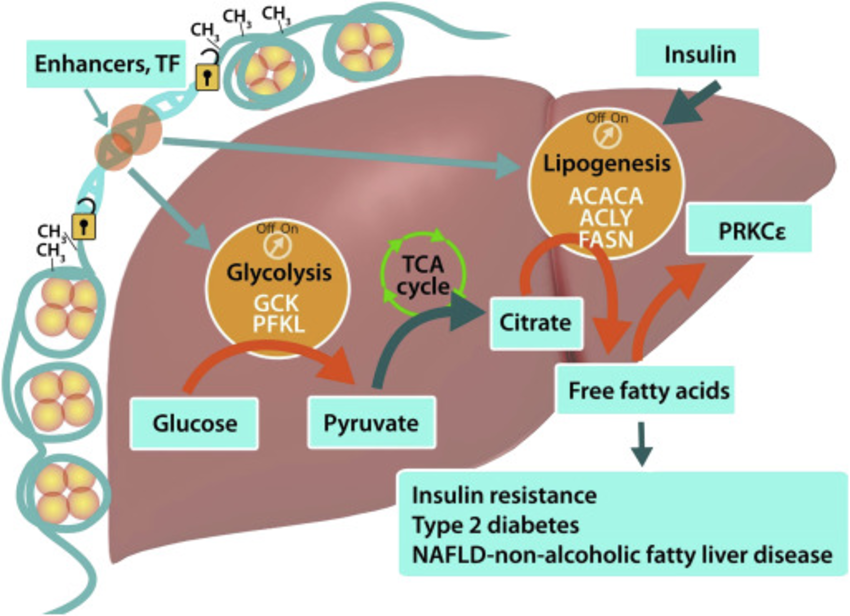
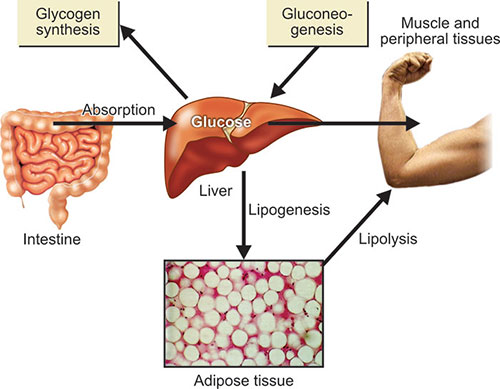
Fig. 3.a: Extra sugars in the blood are converted to fat in the liver. When there is too much fat/oil in the blood, they have detrimental effects on certain metabolic disorders.
Fig. 3.b: Excess sugar is metabolized in the liver into fats (lipogenesis), which are then sent out into the blood in lipoprotein particles (HDL/LDL) to be deposited in the fat/adipose tissue or used as fuel in muscle tissue.
In short, lipo-protein particles (HDL/LDL cholesterol) are an essential part of how the human body stores and transports energy from the liver to our tissues, when we consume too many calories in the form of fat, or even as sugar.
As a result, the metabolism of the two primary macromolecules (sugar, fat) have complex feedback loops between organs, blood, and cellular systems, that impact the rate of metabolic processing through one, the other, or both sides of energy metabolism. Too much of one can impact the rate at which the liver processes the other, and imbalances are common in the West where calories are cheap and plentiful.
What are triglycerides?
Lipid panels often measure the level of a third molecule in the blood, called the triglyceride. The triglyceride is also a lipid, consists of three (tri) fatty-acids connected via a glycerol “bridge” or head (See Fig. 4.a below). The entire molecule is essentially hyrdo-phobic, and dissolves very poorly in the blood. The fats and triglycerides synthesized in the liver from extra calories are supposed to be sent into the blood via the lipid-protein (lipoprotein) aggregates (HDL/LDL cholesterol).
From Wikipedia:
Because fats are insoluble in water, they cannot be transported on their own in extracellular water, including blood plasma. Instead, they are surrounded by a hydrophilic external shell that functions as a transport vehicle. The role of lipoprotein particles is to transport fat molecules, such as triglycerides, phospholipids, and cholesterol within the extracellular water of the body to all the cells and tissues of the body. The proteins included in the external shell of these particles, called apolipoproteins, are synthesized and secreted into the extracellular water by both the small intestine and liver cells. The external shell also contains phospholipids and cholesterol.

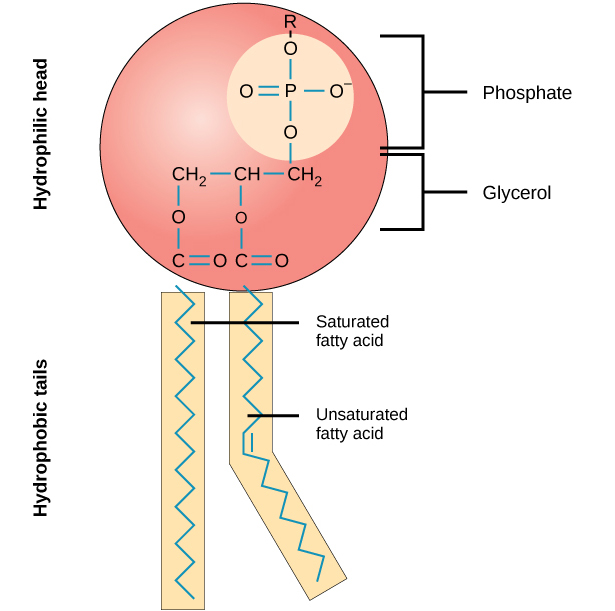
The triglyceride isn’t that special of a molecule. It’s just the least-common denominator structural intermediate of fats in the body. And when one of the three(tri) fatty acids is replaced, we have the fundamental molecule for cellular membranes: the phospho-lipid(Fig. 4.b). The phospholipid is an essential amphi-pathic (has water-loving and water-fearing sides) molecule and forms the basis of nearly every biological membrane: from the borders of tissues to the boundaries of each and every cell in the human body.
The distinction between the triglyceride and phospho-lipid is important because, although chemically speaking, the difference is very small (replace one fat with a phosphate group), the effect on compatibility with the environment of the human body is astounding. Because they are amphipathic, phospholipids can serve as fundamental components of cellular membranes, transport systems, and much more.
So on the one hand, we have a biological lingua franca for fats and long term energy storage: the triglyceride. Incredibly useful, very energy dense, very sticky. And then when we replace one of these fatty acid tails with a phosphate, we have an incredibly safe amphi-pathic molecule essential for every cell in the body: the phospholipid. What’s the problem here?
Unfortunately, biochemical systems like the liver can be leaky and release "free" triglycerides into the bloodstream. Additionally, triglycerides can enter the blood through the intestines in small amounts. Some triglycerides may escape the liver's role of packaging them into the HDL/LDL lipoprotein particles. Very small amounts of "free" triglycerides dissolve in the blood, but then quickly stick to the sides of blood vessels and contribute to plaque formation.. Triglyceride levels in the blood over time tend to remain low due to the solubility issue (oil and water do not mix), but their presence is abherent and can cause all sorts of disorders. Elevated triglycerides (in combination with LDL) increase the risk of several high-morbidity disorders including:
- Atherosclerotic cardiovascular disease
- Coronary artery disease
- Stroke
- Type 2 diabetes melitus
- Acute pancreatitis
- Metabolic syndrome
- Non-alcholoic fatty liver disease
Because of structural reasons pointed out earlier, free triglycerides (in conjunction with high LDL cholesterol) elevate the risk of a number of diseases related to circulation and small, often delicate blood vessels that may be easily clogged by thrombo-embolism or plaque build-ups.
Now that I’ve gotten back to the topic of solubility, we can return to our discussion of saturated vs unsaturated fatty acids.
Table of cooking oils and animal fats
| Fat name | Total fat (g) | mono-unsaturated fat (g) | poly-unsaturated fat (g) | omega-3 PUFA (g) | omega-6 PUFA (g) | Saturated fat (g) | Cost (USD/qt) | Notes / properties |
|---|---|---|---|---|---|---|---|---|
| Avocado oil | 14 | 9.88 | 1.89 (±) | 0.134 | 1.75 | 1.62 | 16.39 - 39.76 | High flash point, mild taste, pricey |
| Butter | 11.5 | 3.32 | 0.43 (Ø) | 0.04 | 0.31 | 7.17 | 3.75 - 8.80 | High in saturated fat, standard for cooking |
| Canola / rapeseed | 14 | 8.76 | 3.54 (±) | 1.04 | 2.49 | 0.93 | 3.20 - 6.00 | High in PUFA, high flash point |
| Cocoa butter | 13.6 | 4.47 | 0.408 (±) | 0.395 | 0 | 8.12 | Pricey, scarce, low in PUFA | |
| Coconut oil | 11.2 | 0.86 | 0.23 (±) | 0.003 | 0.23 | 11.2 | 13.71 - 15.31 | Moderate thermal properties, low in PUFA, moderate taste bias |
| Corn oil | 14 | 3.88 | 7.41 (±) | 0.15 | 7.27 | 1.88 | 4.00 | Affordable, high flash point, very high in PUFA |
| Cottonseed | 14 | 2.49 | 7.27 (±) | 0.03 | 7.21 | 3.63 | Affordable, very high in PUFA, mild taste, | |
| EVOO | 14 | 9.58 | 1.33 (±) | 0.09 | 1.24 | 2.17 | 15.76 - 37.68 | Moderate price, fraudulent market, good flash point, moderate PUFA, high in polyphenols/antioxidants |
| Ghee | 13.9 | 4.02 | 0.52 (±) | 0.2 | 0.32 | 8.87 | 10.00 | Moderate price, low in PUFA, |
| Goose | 12.8 | 7.26 | 1.41 (Ø) | 0.06 | 1.25 | 3.55 | Scarce, moderate PUFA | |
| Grapeseed | 13.6 | 2.19 | 9.51 (±) | 0.01 | 9.47 | 1.31 | 11.99 | Affordable, low flash point, very high in PUFA |
| Lard | 12.8 | 5.79 | 1.43 (±) | 0.13 | 1.31 | 5.02 | Affordable, high flash point, moderate PUFA | |
| Macadamia | 14 | 11 | 0.5 (Ø) | 0 | 0 | 2 | Scarce, pricey, low in PUFA | |
| Margarine | 8.37 | 2.7 | 3.71 (±) | 0.38 | 3.32 | 1.69 | 6.00 | Affordable, very high in PUFA |
| Palm kernel | 13.6 | 1.55 | 0.22 | 0.22 | 0 | 11.1 | Strong choice for commercial applications, affordable, very low in PUFA | |
| Peanut | 14 | 7.99 | 2.79 (±) | 0.05 | 2.76 | 2.27 | 2.99 | Affordable, moderate PUFA, high flash point |
| Red palm | 14 | 6 | 1.5 (Ø) | 0 | 0 | 6 | moderate PUFA | |
| Rice bran | 13.6 | 5.34 | 4.76 | 0.22 | 4.54 | 2.68 | mild taste, high in PUFA | |
| Safflower | 13.6 | 1.96 | 10.1 | 0 | 10.1 | 0.84 | Affordable, very high in PUFA | |
| Sesame | 13.6 | 5.4 | 5.67 (±) | 0.04 | 5.67 | 1.93 | Pricey, nutty flavor, high in PUFA | |
| Soybean | 14 | 3.09 | 7.796 | 0.956 | 0 | 2.08 | Affordable, very high in PUFA | |
| Sunflower | 14 | 2.65-7.79 | 3.95-8.94 (Ø) | 0-0.122 | 9.2 | 1.22-1.77 | 23.98 | Depending on formulation, fat composition, thermal, and nutritive properties can vary widely. Very high in PUFA |
| Tallow | 12.8 | 5.35 | 0.51 (±) | 0.08 | 0.4 | 6.37 | 10.40 | Affordable, low in PUFA |
| Shortening | 12.8 | 5.27 | 3.6 (±) | 0.24 | 3.35 | 3.2 | 10.60 | Affordable, high in PUFA |
This table uses data that has been spot-checked and collated from https://nutritionadvance.com/types-of-cooking-fats-and-oils 3, and is additionally cross-validated against the official government source known as the USDA Food Central Database (https://fdc.nal.usda.gov, 45)
Ø : - indicates USDA Food Central poly-unsaturated (PUFA) sums are more “off” (e > 0.03g), likely due to a sampling, instrumentation/methodology issue, or transcription issue between the primary source 45 and the secondary source 3 from which numbers were collated.
± : - indicates the USDA Food Central PUFA sums are off by a trivial amount (arbitrarily selected as ≤ 0.03g)
[Caution] : Cooking fats with high poly-unsaturated fats are not necessarily healthier, and oxidize at lower temperatures. They may turn rancid when stored for long periods or cooked at higher temperatures. Poly-unsaturated fats, while not saturated fats, deserve special health considerations when used for everyday cooking. Relative fat content values are in grams and normalized to 1 tbsp (13.6-14g) and the proportions of fatty acid content scale linearly. Refined olive oil was omitted from comparison to Food Central Database data collated and corrected where possible from ‘nutritionadvance’. Sunflower MUFA/PUFA oil content properties can vary by formulation. Some descriptive statistics can be found by the following URL or searching for sunflower oils using Food Central search https://fdc.nal.usda.gov/food-search?type=SR%20Legacy&query=sunflower
-
Nelson, David L., Albert L. Lehninger, and Michael M. Cox. Lehninger principles of biochemistry. Macmillan, 2008. ↩︎ ↩︎2
-
Wikipedia contributors. “Biodiesel.” Wikipedia, The Free Encyclopedia. Wikipedia, The Free Encyclopedia, 26 May. 2026. Web. 27 May. 2026. ↩︎
-
Michael Joseph, Ms. (2025, September 25). 25 types of cooking fat: Nutrition, Fatty Acids, Pros & Cons. Nutrition Advance. https://nutritionadvance.com/types-of-cooking-fats-and-oils ↩︎ ↩︎2
-
Fooddata Central Frontpage. USDA FoodData Central. (n.d.). https://fdc.nal.usda.gov/ ↩︎ ↩︎2
-
McKillop, Kyle, et al. “FoodData central, USDA’s updated approach to food composition data systems.” Current Developments in Nutrition 5 (2021): 596. ↩︎ ↩︎2